RELATED NEWS
- Orgatec 2026: From Rooms to Relationships – Designing Spaces in an Ever-Changing World
- Beyond Function: Spanish Contract Furniture Designed to Work, Welcome and Connect
- Workspace Design Madrid 2026: Spanish Brands Reflect on the Main Trends Shaping the Office of the Future
- Clerkenwell Design Week 2026: OMELETTE Editions Shapes Contract Environments with TOT and BOLET
- Salone del Mobile.Milano 2026: Spanish Material-Led Design for Residential, Hospitality and Workspace Interiors (Part II)
- Workspace Design Show London 2026 Highlights the Global Rise of Spanish Workspace Design
- Workspace Design Show London 2026: OJMAR’s Locking Technology Redefines Workplace Infrastructure
- From Flexibility to Wellbeing: 6 Trends Redefining Workspaces in 2026. Insights from Spain
TAGS
- office design
- office funiture
- office furniture
- trends
- work environments
- workplaces
- workspace design
- workspace design madrid
- workspaces
Workspace Design Madrid 2026: Spanish Brands Reflect on the Main Trends Shaping the Office of the Future
The office is undergoing a profound transformation. New working habits, the need to encourage people back into the workplace and the demand for healthier, more attractive and functional environments are reshaping the way workspaces are conceived.
These themes were at the heart of the discussions during Workspace Design Madrid 2026, where leading Spanish design brands and industry experts shared their perspectives on the future of the workplace. While each company approached the topic from its own area of expertise, several common trends emerged, pointing towards a more human-centred, flexible and experience-driven office environment. Watch the video>>>
1. The Office as a Destination for Collaboration and Community
The workplace is increasingly being redefined as a place for interaction, collaboration and corporate culture rather than simply a location for individual tasks. As hybrid working models become more established, offices are evolving into destinations that bring people together and strengthen connections within organisations.
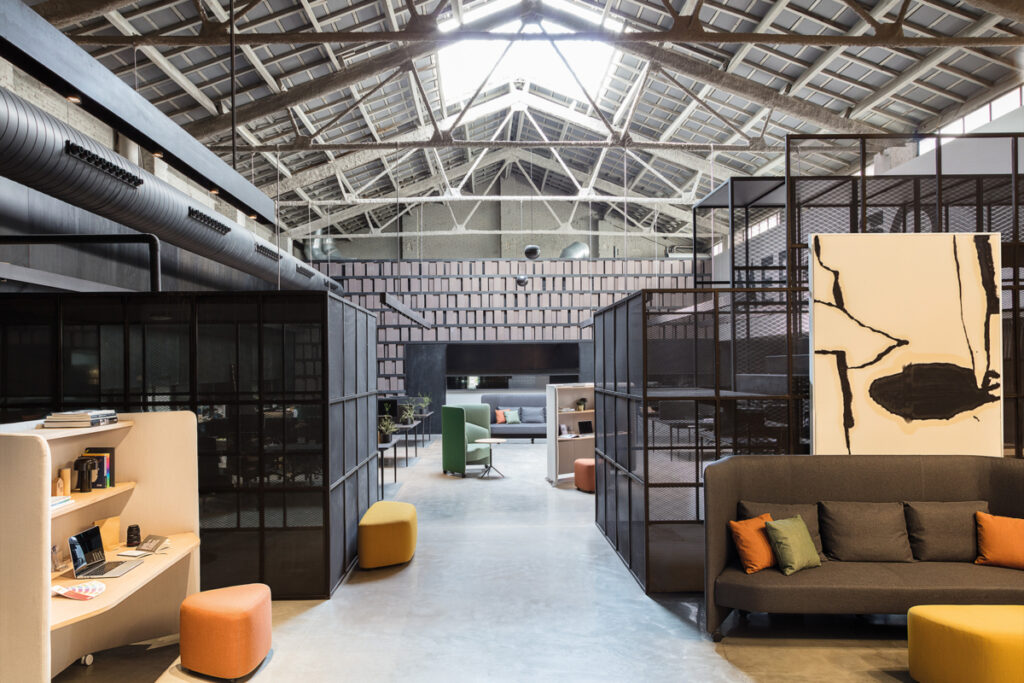
In Out Office Modular Work Environments | Alfredo Häberli | ANDREU WORLD
Ernesto Belloch, Sales Director at ANDREU WORLD, highlights the evolution of offices towards collaborative and multifunctional spaces, where contemporary and timeless design furniture is finding new opportunities. Along the same lines, Álvaro Gandía-Blasco, Sales Director at GANDIA BLASCO Group, observes that the office channel has become much warmer and more human, with the creation of shared areas and open spaces fostering interaction and engagement.
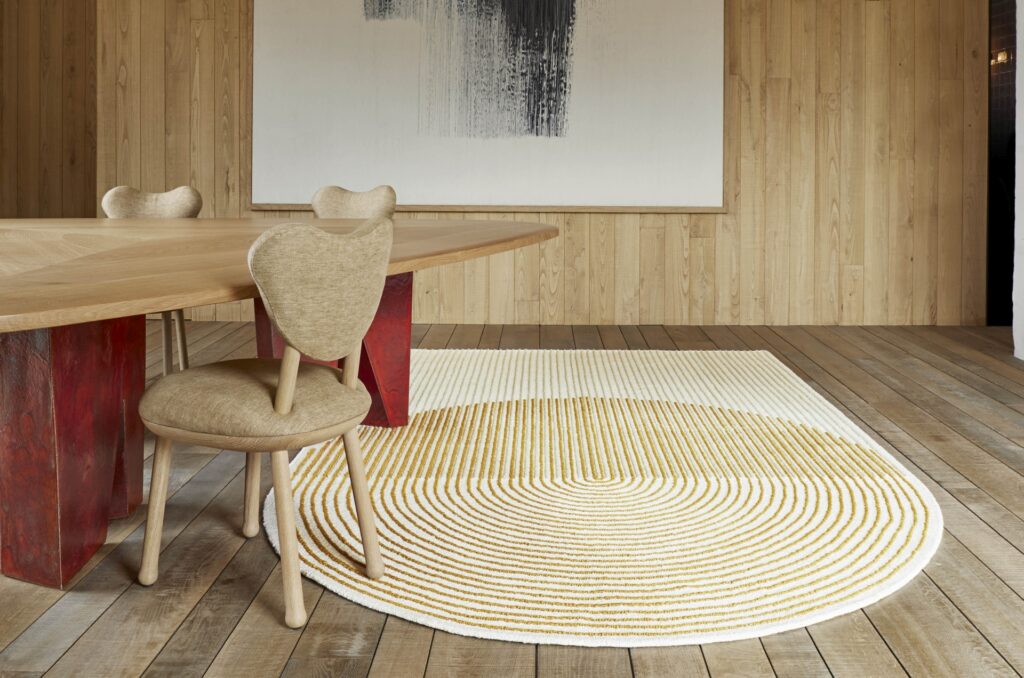
PLY Rug | MUT Design | GAN
This transformation reflects a broader shift in workplace design, where spaces are increasingly expected to encourage creativity, teamwork and a stronger sense of belonging.
2. Hospitality and Residential Influences Continue to Transform Workspaces
One of the strongest themes emerging from the interviews is the growing influence of residential and hospitality design on workplace environments. Comfort, well-being, and emotional connection are becoming essential elements in office design strategies.
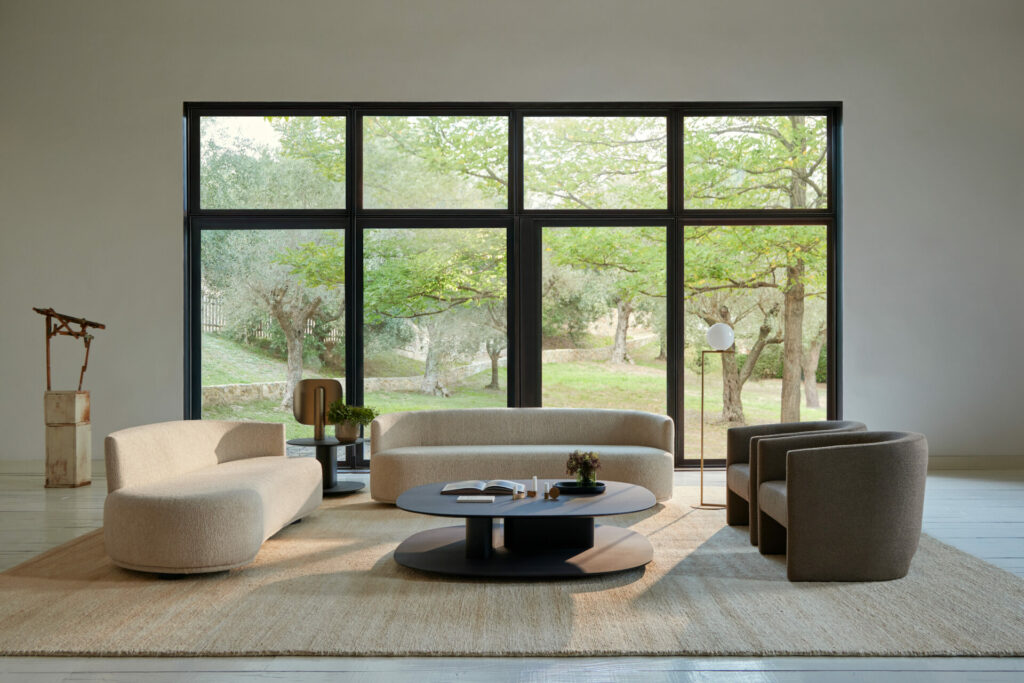
FLOW Sofas & Armchairs, SACHA Coffee Table | Mario Ruiz | JOQUER
From JOQUER, Teresa Carretero, Operations Manager, brings a perspective closely linked to comfort and the quality of finishes. Drawing on the company’s expertise in residential furniture, JOQUER contributes to the workplace with a more organic, welcoming and sophisticated approach that supports the growing demand for home-like environments.
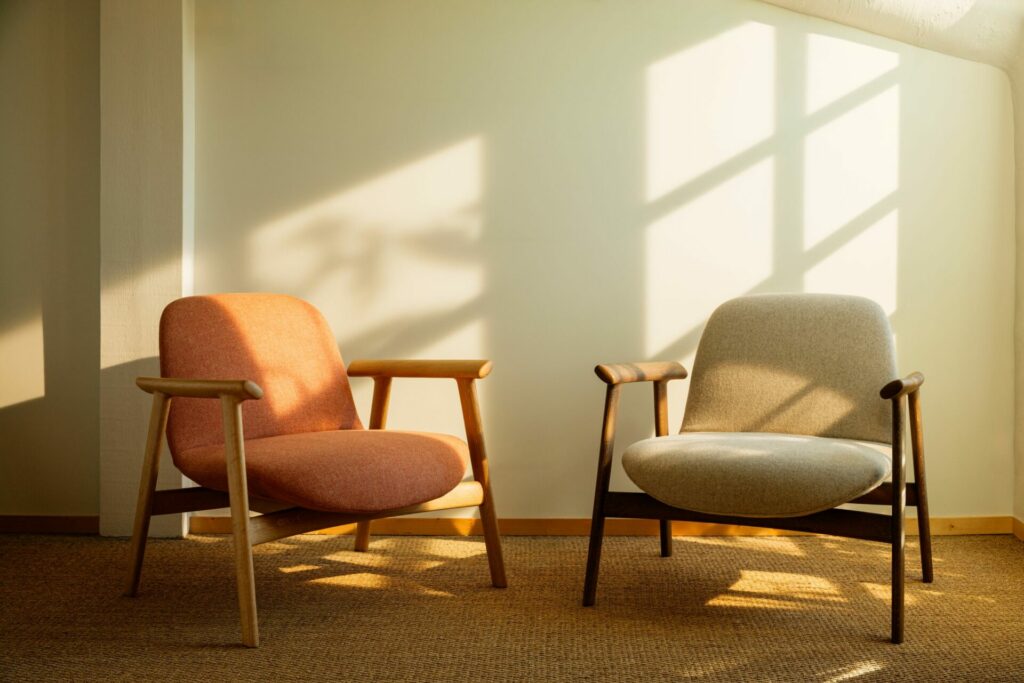
EKURU Armchair | Estudi Manel Molina | ENEA
Similarly, Fermín Azaldegui, Sales Director at ENEA, notes that workplaces are becoming warmer and more approachable, requiring companies to remain agile and develop solutions aligned with changing expectations and lifestyles.
The result is a workplace that feels less institutional and more focused on the experience and well-being of its users.
3. Flexibility Has Become a Fundamental Requirement
Adaptability is no longer an added value but a necessity. As organisations seek to accommodate different ways of working, spaces must be capable of evolving throughout the day and responding to a variety of functions.
Javier Fernández, Sales Director at OFITRES, underlines the importance of understanding clients’ real needs beyond the design of individual products. In this context, modular and transformable solutions are becoming increasingly relevant, allowing the same space to support different activities, from focused work to collaborative meetings and informal gatherings.
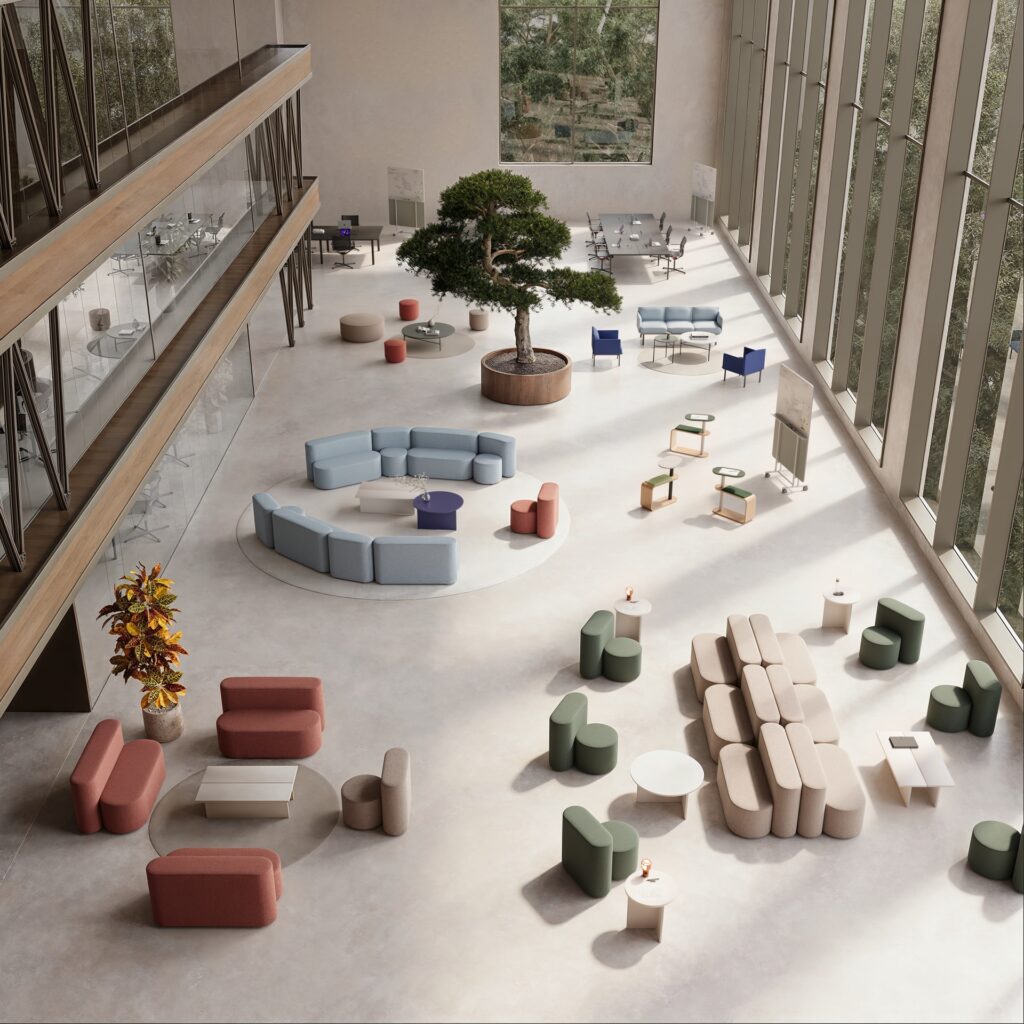
DUO Modular Seating System | La Mamba Studio | OFITRES
This demand for versatility is driving the development of more dynamic environments capable of adapting quickly to changing organisational requirements.
4. Healthy Workplaces Depend on Integrated Design Solutions
As offices become more open and multifunctional, creating healthy and comfortable environments requires a holistic approach that combines furniture, lighting, acoustics and spatial planning.
Araceli Montejano, Project Manager at LEDS C4, points to the rise of open-plan workplaces, where achieving the right balance between general lighting, technical lighting and acoustic comfort has become increasingly important. She emphasises the value of integrated solutions capable of addressing multiple needs simultaneously and creating spaces that support productivity and wellbeing.
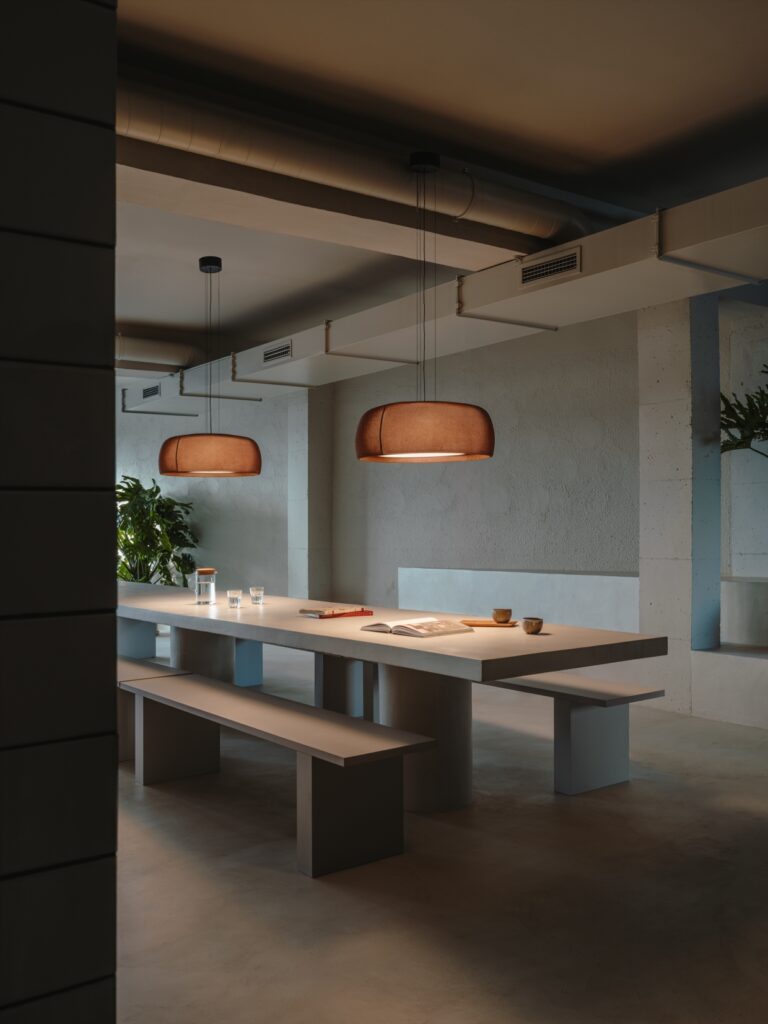
GONG Pendant Lamps | Francesc Vilaró | LEDSC4
The growing focus on healthy environments also aligns with broader discussions around biophilic design, wellbeing and employee satisfaction.
5. Sustainability Is Becoming a Core Design Principle
Environmental responsibility continues to gain importance across the workplace sector, moving from a differentiating factor to a fundamental requirement for projects and specifications.
Ernesto Belloch highlights the growing relevance of sustainability certifications such as LEED and BREEAM, which are increasingly influencing the conception of buildings and work environments. At the same time, Fermín Azaldegui identifies sustainability, innovation, new materials, and digitalisation as key forces shaping the sector’s future.
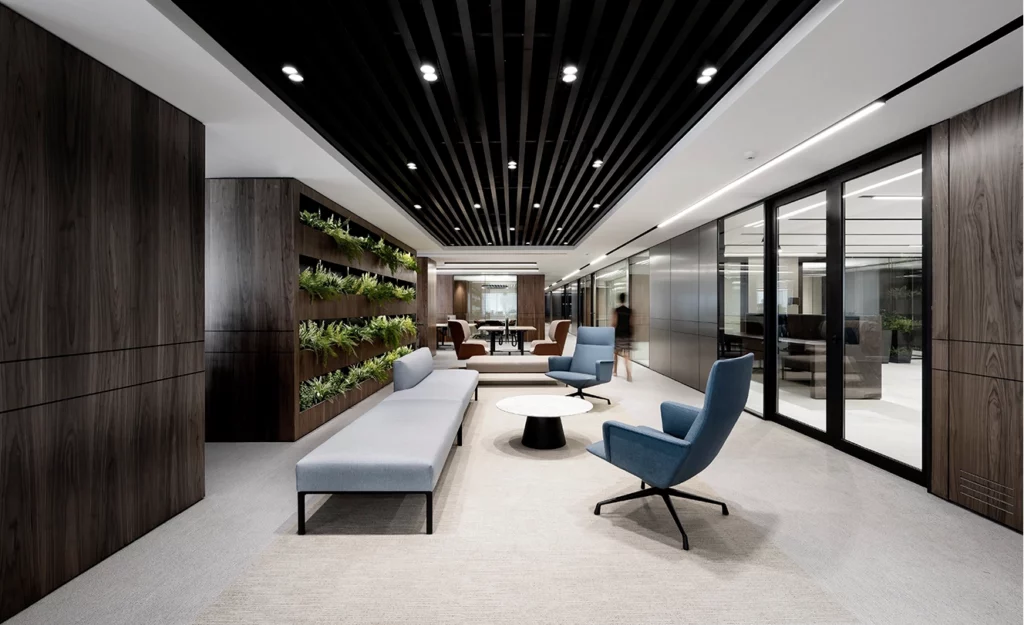
The Brookfield Asset Management offices in Mumbai, furnished with design pieces from ANDREU WORLD, achieved LEED and WELL certifications
These priorities are encouraging manufacturers and designers to develop products and solutions that respond not only to aesthetic and functional requirements but also to increasingly demanding environmental standards.
A Human-Centred Future for the Workplace
The reflections shared at Workspace Design Madrid 2026 reveal a common vision of the office of the future: a workplace that is more flexible, healthier and more closely aligned with people’s needs.
As Zuriñe Iturbe, Director of MATCOAM, notes, concepts such as humanisation, biophilia, healthy environments, brand identity and community-building are becoming central to contemporary workplace design. Together, they point towards offices that are not only places to work but also environments that foster wellbeing, collaboration and a stronger sense of purpose.
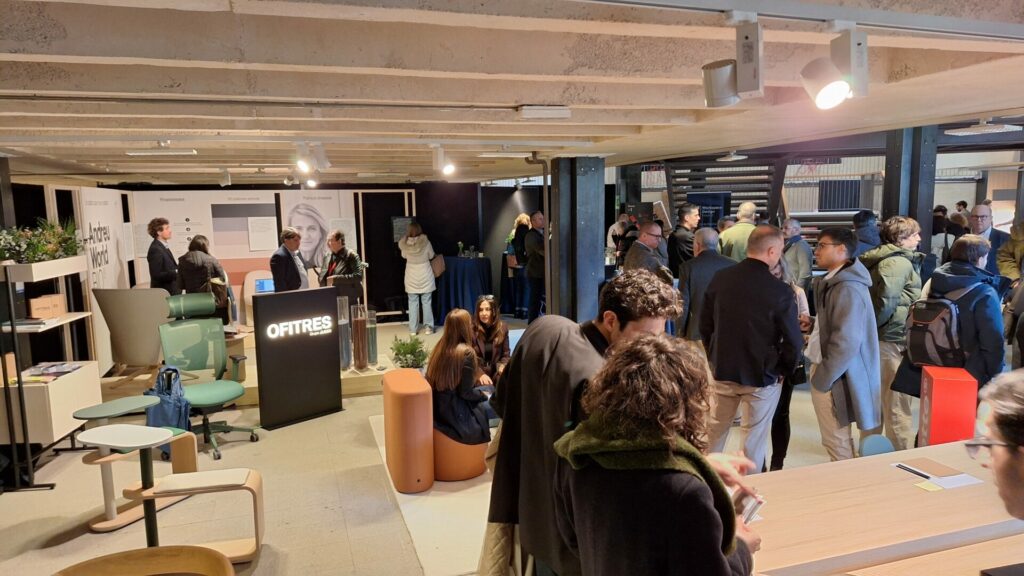
WORKSPACE Design Madrid 2026, Spain’s leading event for workplace design professionals
The discussions held throughout Workspace Design Madrid 2026 confirmed the event’s growing role as a meeting point for manufacturers, designers, architects and workplace specialists seeking to explore the future of work environments. As workplace design continues to evolve, the event remains a valuable platform for exchanging ideas, identifying emerging trends and fostering connections across the sector.