RELATED NEWS
- Orgatec 2026: Ojmar makes locker access part of the smart workplace
- Orgatec 2026: From Rooms to Relationships – Designing Spaces in an Ever-Changing World
- Beyond Function: Spanish Contract Furniture Designed to Work, Welcome and Connect
- Workspace Design Madrid 2026: Spanish Brands Reflect on the Main Trends Shaping the Office of the Future
- Clerkenwell Design Week 2026: OMELETTE Editions Shapes Contract Environments with TOT and BOLET
- Salone del Mobile.Milano 2026: Spanish Material-Led Design for Residential, Hospitality and Workspace Interiors (Part II)
- Salone del Mobile.Milano 2026: Spanish Adaptive Design Solutions Shaping Residential, Hospitality and Workspace Interiors (Part I)
- Workspace Design Show London 2026 Highlights the Global Rise of Spanish Workspace Design
TAGS
- office design
- office funiture
- trends
- work environments
- workplaces
- workspace design madrid
- workspace environments
- workspace solutions
- workspaces
From Flexibility to Wellbeing: 6 Trends Redefining Workspaces in 2026. Insights from Spain
Workspaces are undergoing one of the most significant transformations in their history. No longer defined solely by efficiency or density, today’s offices are expected to express corporate culture, support diverse ways of working, and actively contribute to people’s physical and emotional wellbeing. Design has become a strategic tool, shaping environments that are adaptable, human-centred and aligned with long-term sustainability goals.
Workspace Design Madrid, held at COAM on 3 February 2026, captured this shift with particular clarity. More than a product showcase, the event acted as a meeting point for architects, interior designers and leading Spanish contract furniture brands, offering a forward-looking perspective on how professional environments are evolving. The solutions presented there form a tangible framework for understanding the directions that will define workspaces in the year ahead.
1. The Office as a Flexible Ecosystem
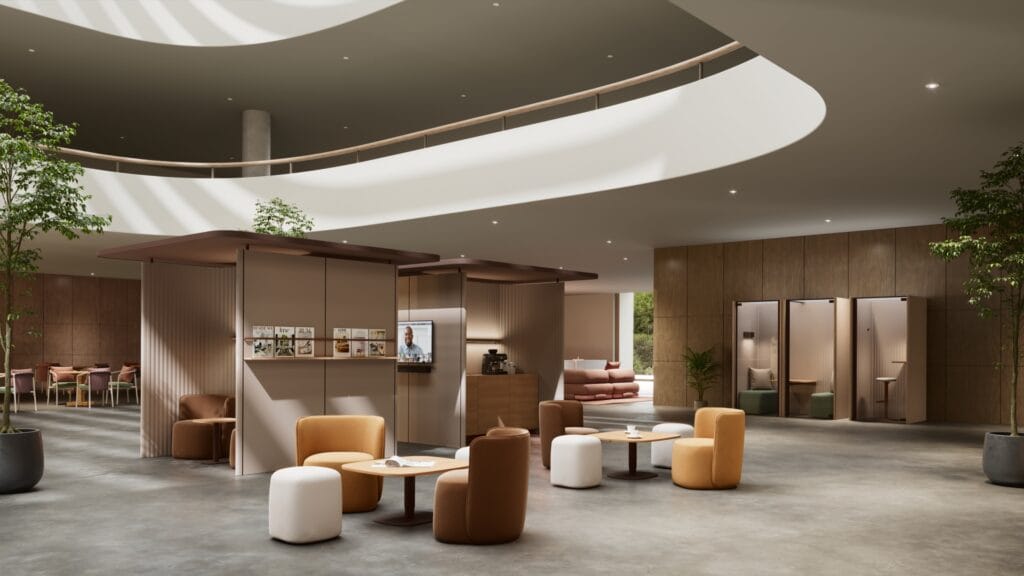
Flexibility in 2026 is no longer limited to movable furniture; it is embedded in the spatial logic of the workplace. Offices are conceived as living ecosystems that adapt to changing team sizes, hybrid schedules and varied daily rhythms. Designers are moving away from fixed layouts in favour of fluid environments where concentration, collaboration and informal interaction can coexist without friction.
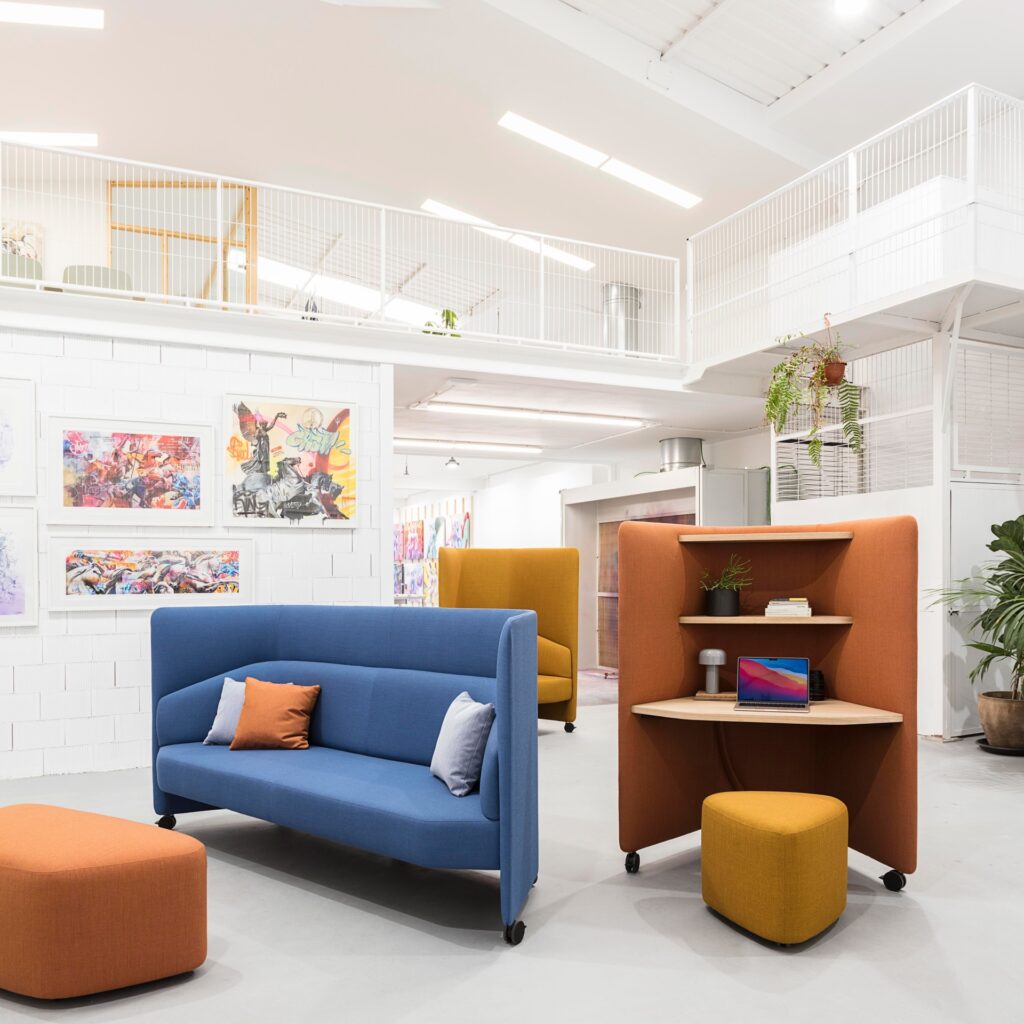
IN OUT Office Collection | Alfredo Häberli | ANDREU WORLD
Modular soft seating systems such as ANDREU WORLD’s IN/OUT Office 90 introduce the comfort and informality of residential spaces into open-plan environments, allowing designers to articulate micro-settings without heavy architectural intervention. Similarly, the organic configurations of OFITRES’ DUO and OFIFRAN‘s SOMA seating enable layouts to evolve over time, supporting both spontaneous encounters and structured teamwork.
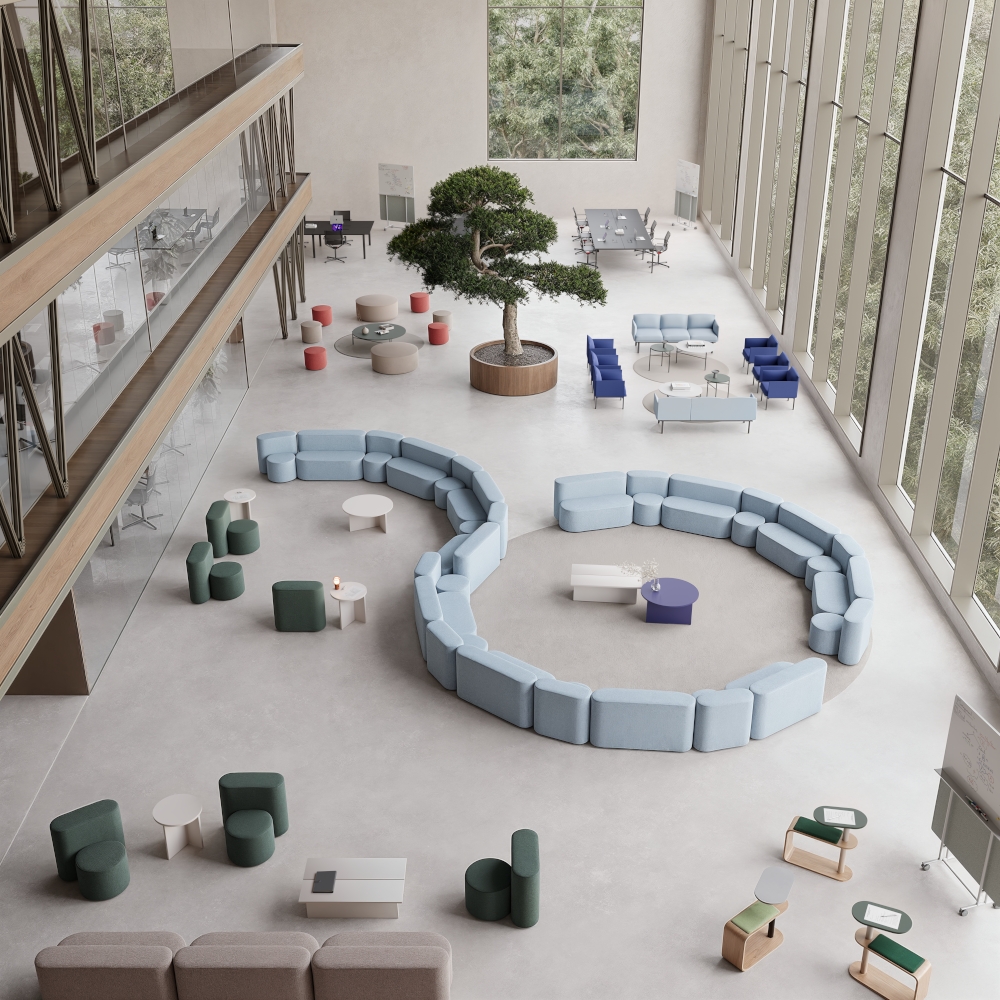
DUO Modular Seating Programme | La Mamba Studio | OFITRES
Tables such as MOBBOLI’s NEST, with integrated electrification and a light trestle structure, make it possible to reconfigure collaborative areas quickly while maintaining visual order.
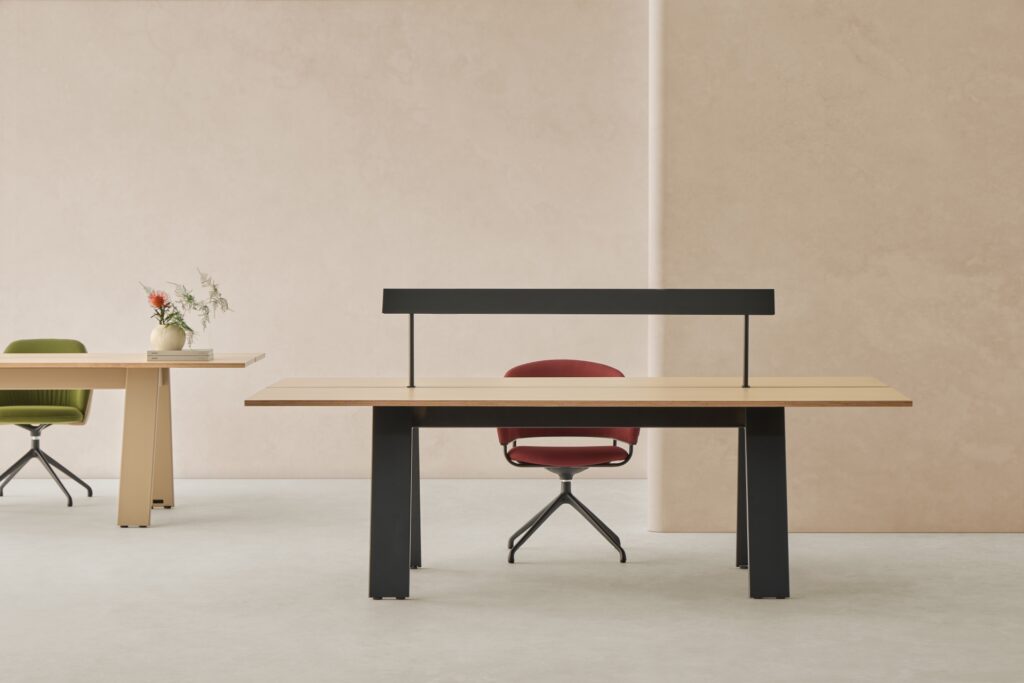
NEST Table | Norm Architects | MOBBOLI
On the other hand, OMELETTE Editions‘ TOT table by Isern Serna provides reconfigurable surfaces with its distinctive central support.
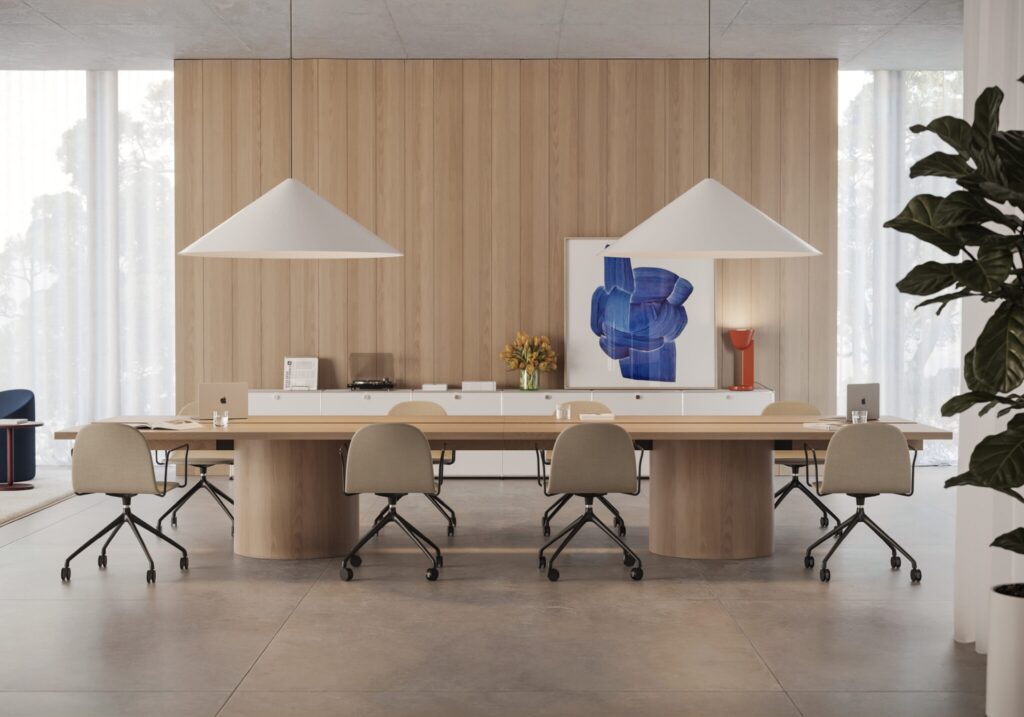
TOT Table | Isern Serra | OMELETTE Editions
Even elements like iSiMAR’s HABANA divider demonstrate how zoning can be achieved through sculptural, hospitality-inspired pieces that balance openness with a sense of retreat.
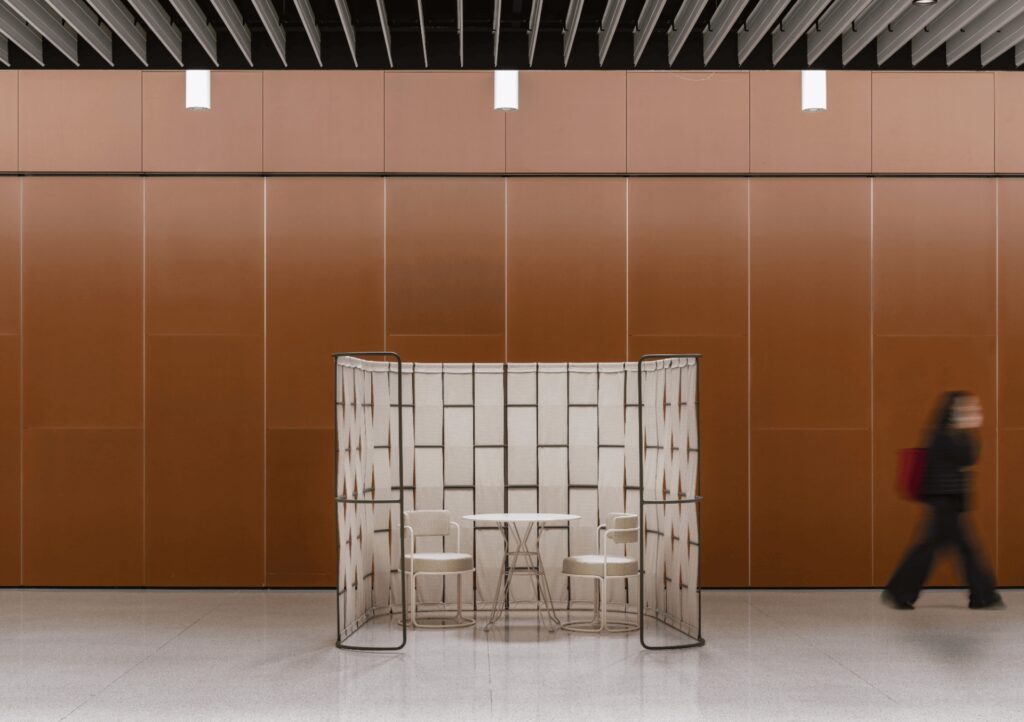
HABANA Space Divider | In collaboration with Gensler | iSiMAR
Together, these solutions illustrate how flexibility today is as much about atmosphere and spatial continuity as it is about mobility.
2. Holistic Wellbeing: Physical, Mental and Sensory
Wellbeing in the workplace has expanded into a truly holistic concept. Beyond ergonomic correctness, designers now consider how light, sound, textures and visual softness influence concentration, reduce fatigue and shape emotional comfort throughout the day. The workspace transforms therefore into an active instrument for caring for people, where every design decision contributes to a healthier, more productive, and agreeable experience.
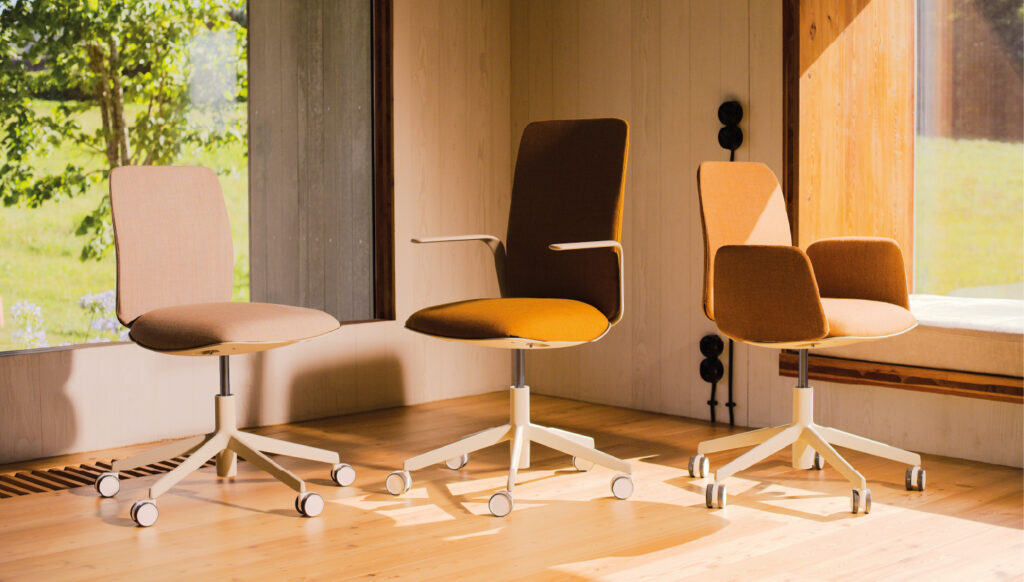
GURA Office Chair | Estudi Manel Molina | ENEA
Seating such as ENEA’s GURA chair combines ergonomic performance with a welcoming, enveloping form that softens the technical character of task areas. Lounge collections like INA by FORTY (Ismobel Group) introduce generous proportions and supportive comfort into transitional and informal zones, encouraging meaningful pauses within the work routine.
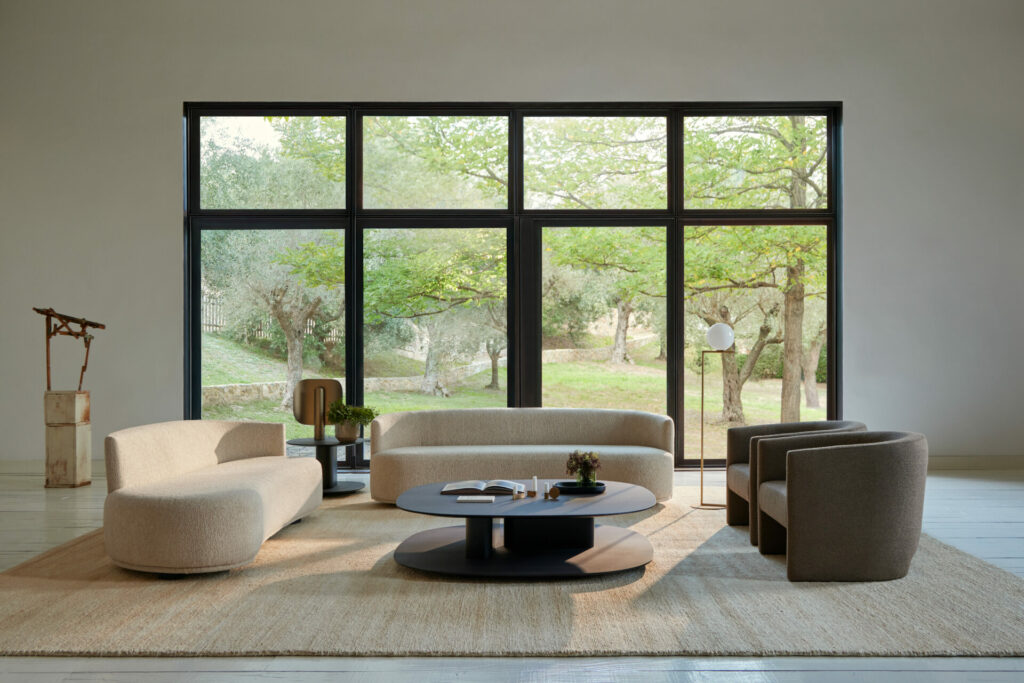
FLOW Lounge Collection | Mario Ruiz | JOQUER
The curved silhouettes of JOQUER’s FLOW seating help create intimate micro-environments that foster relaxed interaction, while the BARDI Collection by HOBBY FLOWER integrates vegetation through architecturally inspired planters and natural materials, reinforcing the restorative presence of nature indoors.
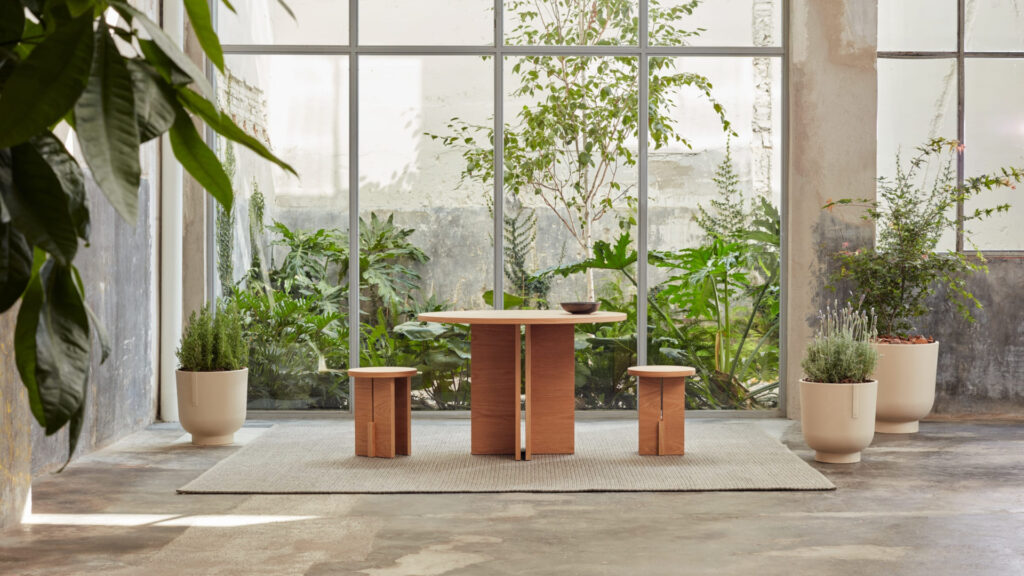
BARDI Collection | Sanna Völker | HOBBY FLOWER
Importantly, many of the products aligned with this trend are conceived under circular economy principles, using responsible materials and long-lasting construction to ensure that wellbeing is supported not only at a human level, but also at an environmental one.
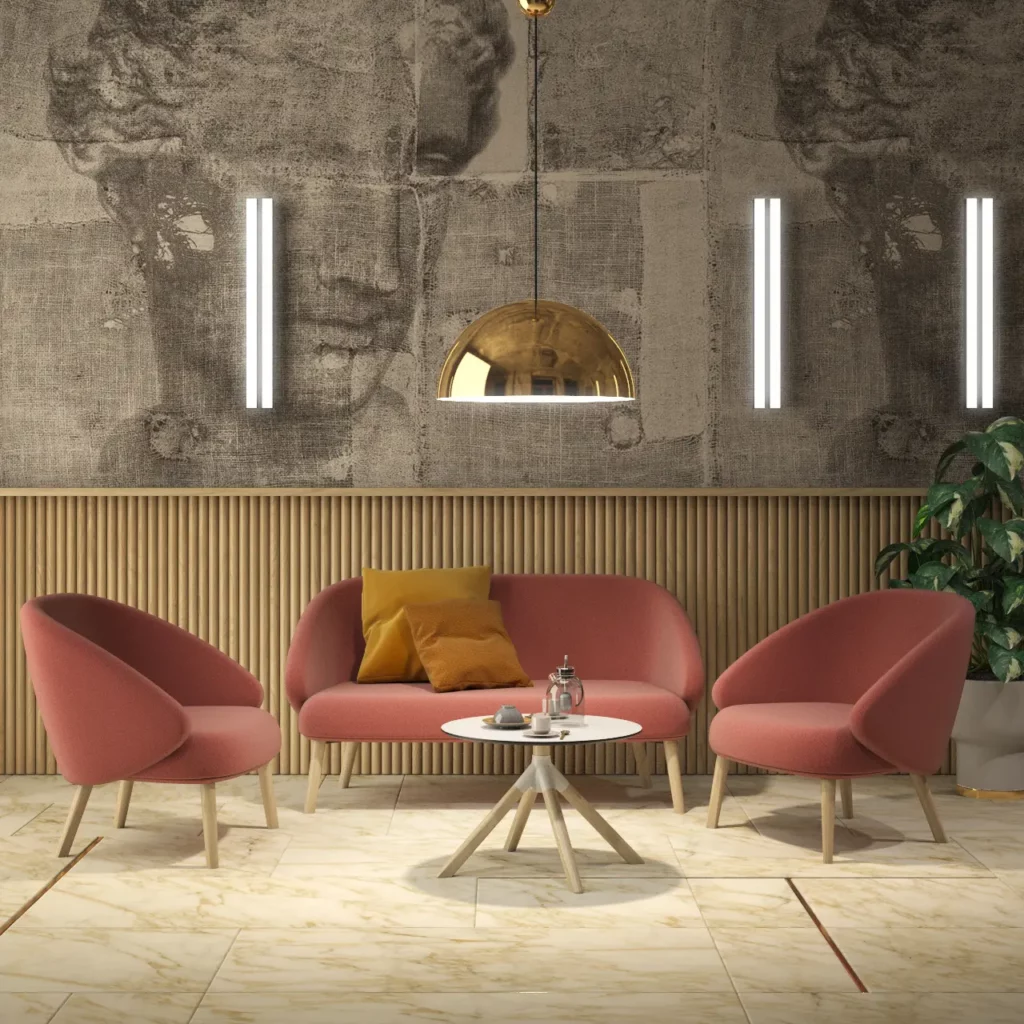
INA Lounge Collection | LabZero Studio | FORTY by Ismobel Group
3. Identity, Warmth and Sophisticated References
As offices compete with the comfort of home, they are adopting a richer, more expressive design language. References to residential and hospitality interiors bring warmth, material depth and emotional resonance into professional settings, allowing spaces to communicate brand identity in a subtle yet powerful way.
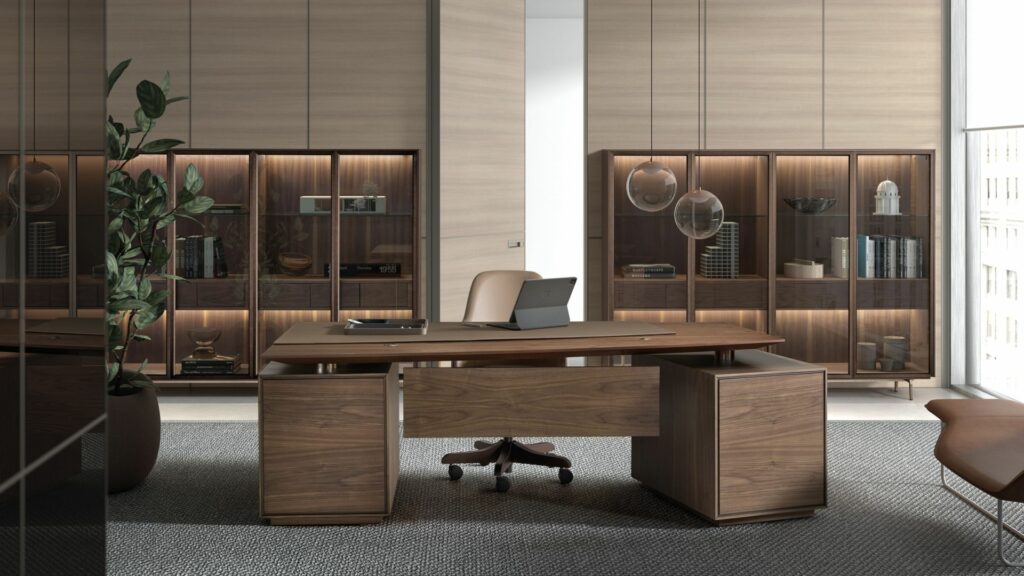
CONNECT Executive Desk | HURTADO
Executive environments benefit from pieces such as HURTADO’s CONNECT table, where refined wood finishes, matte lacquers and metal details create an atmosphere of quiet authority. Systems like AKABA’s HIKA shelving introduce architectural rhythm and personalisation, forming “micro-universes” within open spaces that support both focus and display.
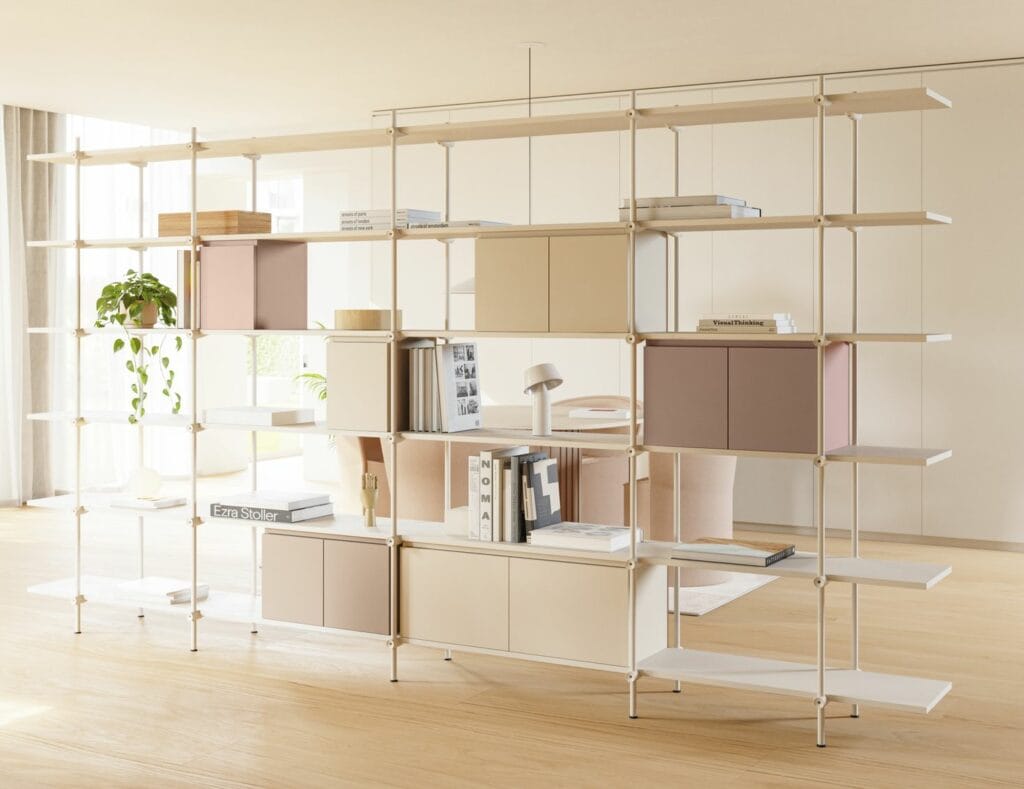
HIKA Shelving System | Pensi Design Studio | AKABA
Textile-driven elements, including GAN’s MOMOS rugs and poufs, add tactile richness and artisanal character, while ONDARRETA‘s playful GUMI modular seating by Nati Arrabatibel—inspired by gummy bears—humanises architectural spaces with soft, rounded volumes that invite informal encounters.
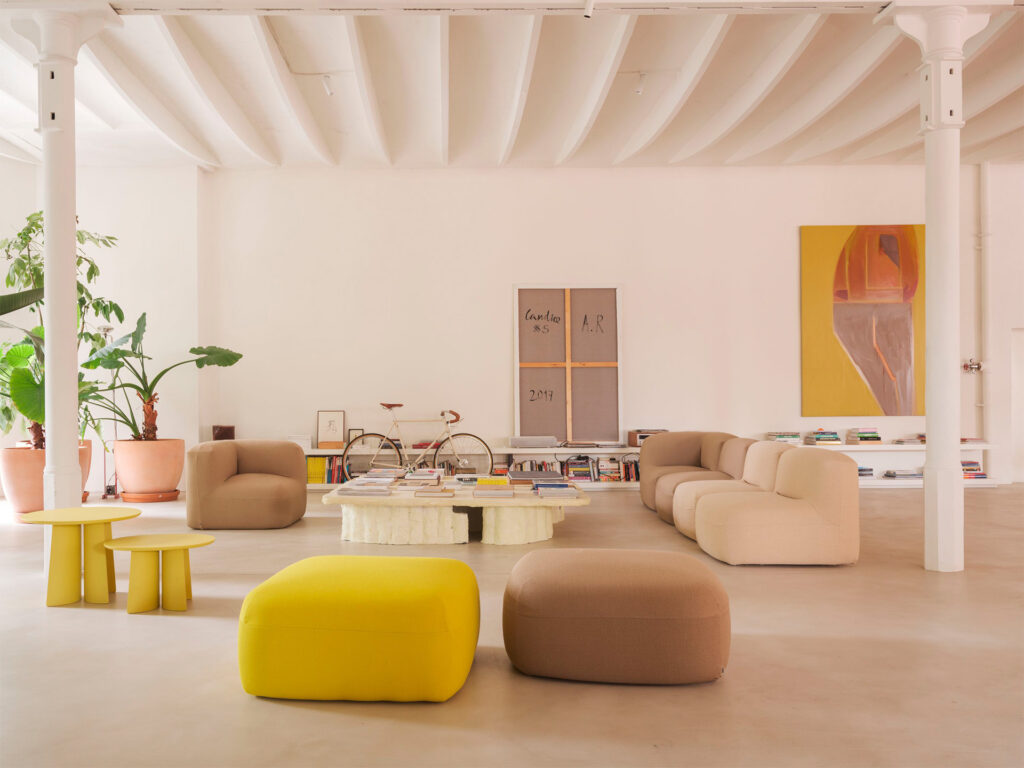
GUMI Modular Seating Programme | Nadia Arratibel | ONDARRETA
Through these approaches, the workplace becomes less anonymous and more experiential, strengthening the relationship between people and place.
4. Acoustics as a Design Language
In contemporary open offices, sound is one of the main determinants of comfort. Rather than treating acoustics as a technical afterthought, designers are integrating it as a visible and expressive component of spatial design.
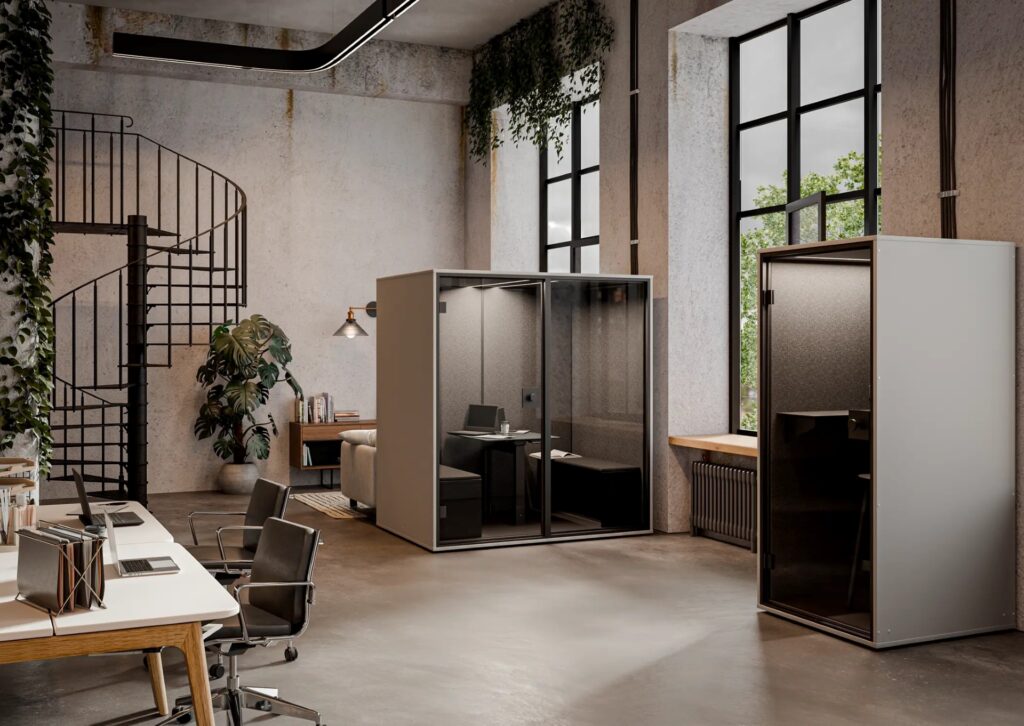
FOCUS 4.0 Acoustic Pods | BERLIN Acoustics
Solutions such as the FOCUS 4.0 booth by BERLIN Acoustics create compact, high-performance refuges for calls and focused tasks without the need for permanent construction. Suspended luminaires like PAMPA by OLÉ Lighting combine illumination and sound absorption in a single element, demonstrating how technical performance can be seamlessly embedded into the visual language of a project.
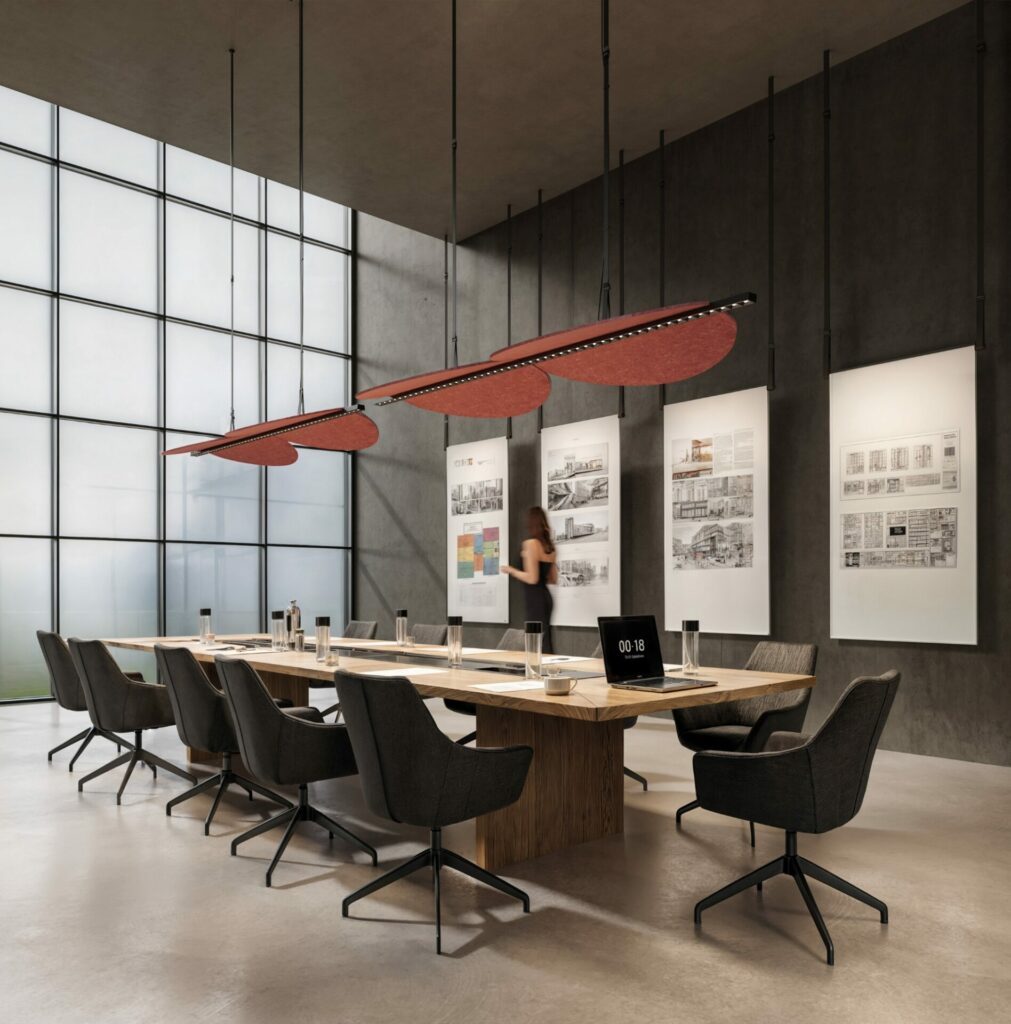
PAMPA Pending Lamps | Fernando Martínez | OLÉ Lighting
Meanwhile, MADE DESIGN’s NAKA divider addresses the multi-sensory office by combining biophilic aesthetics with sound-absorbing panels made from recycled PET. It’s a prime example of how zoning, greenery and acoustics can be integrated into sustainable, nature-inspired design.
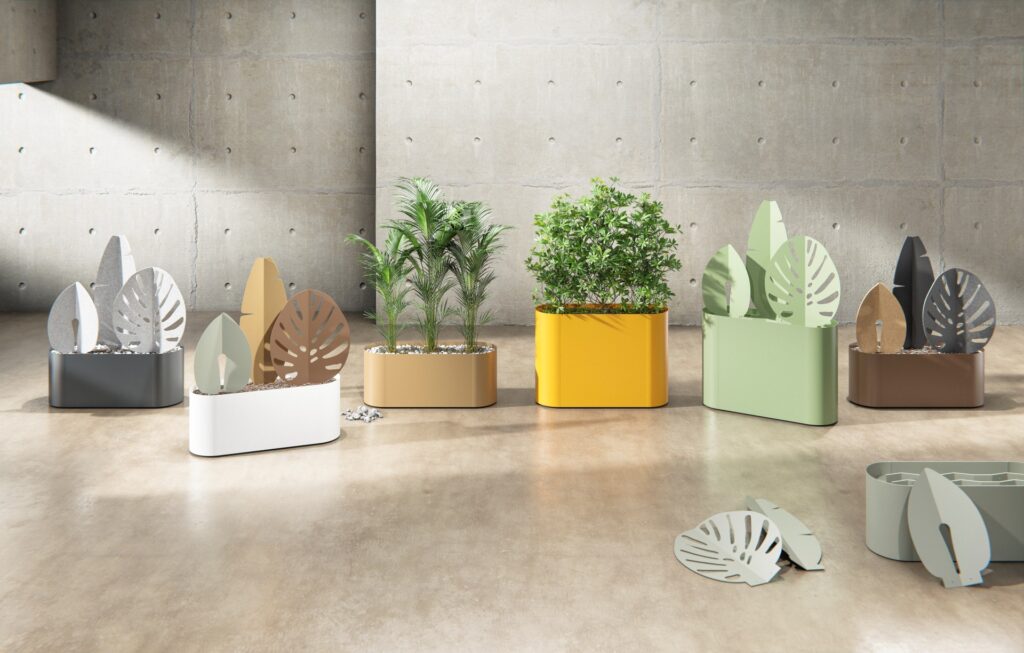
NAKA Space Dividers & Planters | Gauzak | MADE DESIGN
Acoustic design in 2026 is therefore not about hiding noise solutions, but about allowing them to shape the character of the space.
5. Lighting: Efficiency Meets Experience
Lighting has evolved into a central narrative tool within the workplace. In 2026, lighting transcends energy efficiency to cultivate atmospheres that adapt to the day’s shifting rhythms. By integrating general, task, and ambient layers seamlessly with architecture and materials, lighting now serves as a strategic tool for mood and performance. No longer just functional, luminaires have become sculptural elements that define space, add character, and elevate the human experience.
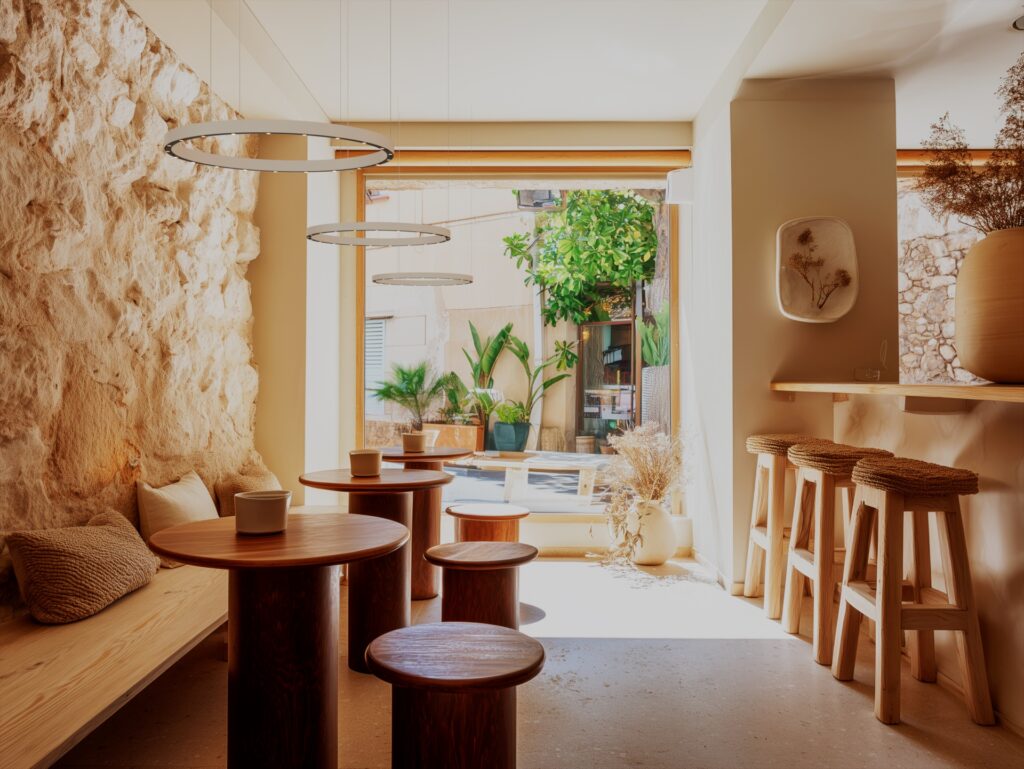
ALARIK SLIM Luminaies and Dots | BPM Lighting
Modular systems such as BPM Lighting’s ALARIK SLIM Luminaies and Dots allow designers to compose ceilings with precision, highlighting pathways and activity zones through subtle rhythms of light. Architectural luminaires like SINIA by LEDS C4 provide warm, comfortable illumination with a discreet presence, helping to create balanced atmospheres in meeting rooms, workstations and shared areas alike.
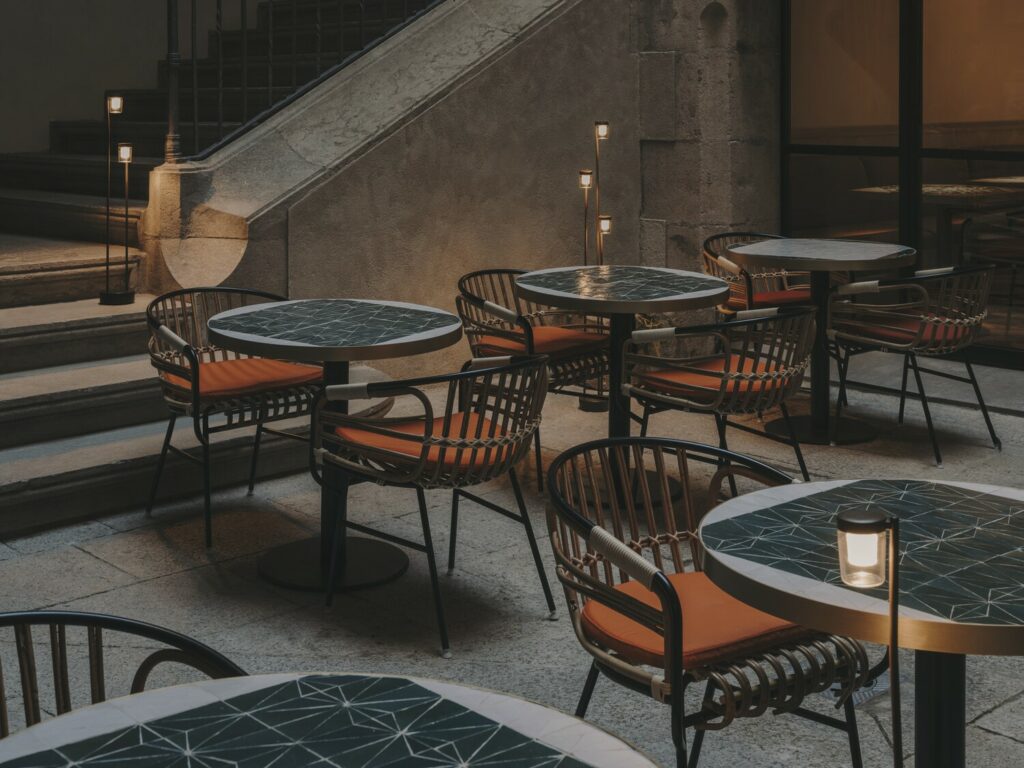
ALARIK SLIM Luminaies and Dots | BPM Lighting
In this context, lighting design becomes a bridge between technical performance and emotional perception.
6. Applied Sustainability and Long-Term Vision
Sustainability in workspace design is moving from abstract ambition to measurable practice. Spanish manufacturers are emphasising durability, reparability and adaptable systems that extend product life cycles and reduce the need for frequent replacement.
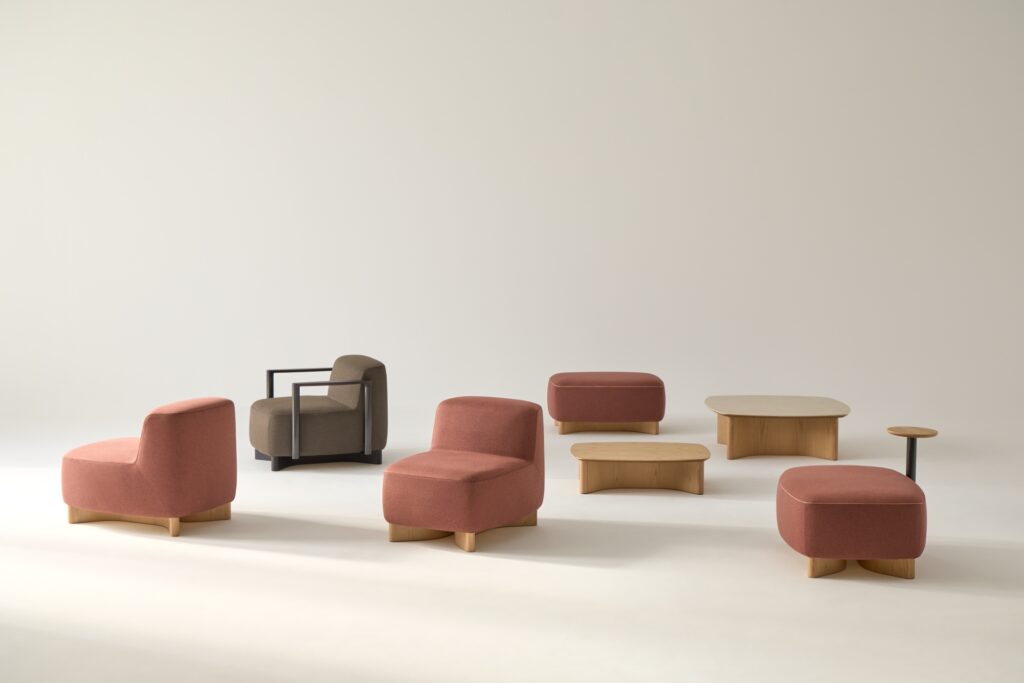
SOMA Modular Seating Programme | Dorigo Design | OFIFRAN
Many of the solutions presented at Workspace Design Madrid 2026 reflect this applied approach, incorporating recyclable materials, efficient production methods and designs conceived for long-term use. Leading Spanish manufacturers embrace circular economy principles in their production processes. Notable examples include MADE DESIGN’s NAKA divider, available in recycled PET with sound-absorbing properties; GAN’s MOMOS Collection, featuring felted wool and removable covers that facilitate maintenance and longevity; and ANDREU WORLD’s modular systems, designed for adaptability and an extended lifecycle.
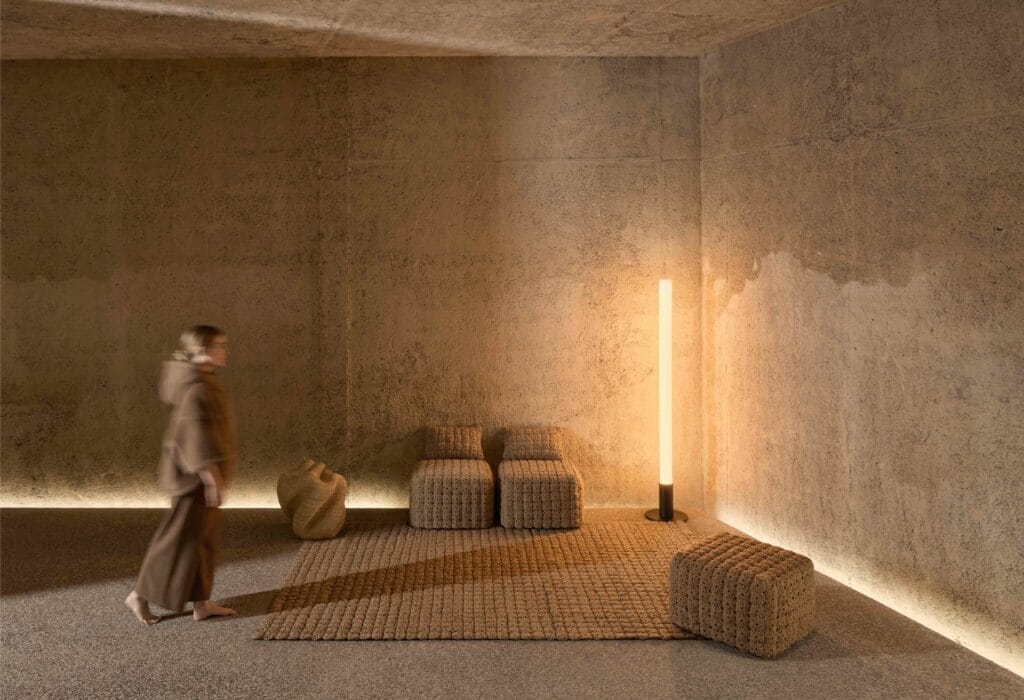
MOMO Space | José A. Gandía-Blasco Canales | GAN
Modularity plays a key role indeed—as seen in the DUO, GUMI, and SOMA modular seating systems or the HIKA shelving system—allowing products to evolve with organisational needs rather than becoming obsolete.
This long-term perspective ensures that offices are not only contemporary and appealing today, but resilient and responsible for years to come.
Shaping Tomorrow’s Workspaces
The trends emerging from Workspace Design Madrid 2026 point to a new maturity in workspace design. Flexibility, wellbeing, identity, acoustic comfort, lighting quality and sustainability are no longer isolated considerations, but interconnected layers of a single design strategy.
Spanish office furniture brands are playing a decisive role in this evolution. Active in major international projects, they bring together technical innovation, industrial expertise and a distinctive Mediterranean sensibility — warm, refined and deeply attuned to human experience — helping shape work environments that feel as good as they perform.
⭳ Download the Trend Report | Workspaces 2026 | From Flexibility to Holistic Wellbeing